Over 1000 5 Star Ratings on Google Reviews

The question of whether Invisalign is appropriate for children under 12 isn’t straightforward, and understanding the factors involved can help you make informed decisions about your child’s dental care.
Understanding How Children’s Teeth Develop
Before we talk about Invisalign, it helps to understand what’s happening in your child’s mouth during those primary school years. Between ages 6 and 12, kids are typically in what’s called the “mixed dentition” phase, where they have a combination of baby teeth and permanent teeth.
This transition period is complex. Baby teeth are gradually falling out while permanent teeth are erupting, and jaw growth is still happening. This ongoing development affects which orthodontic treatments might be appropriate and when.
Key developmental considerations:
- Permanent teeth are still emerging
- Jaw bones are actively growing
- Tooth roots are developing and stabilising
- Bite relationships are changing
Because so much is in flux, orthodontic treatment timing becomes a bit of a balancing act.
What Invisalign Requires
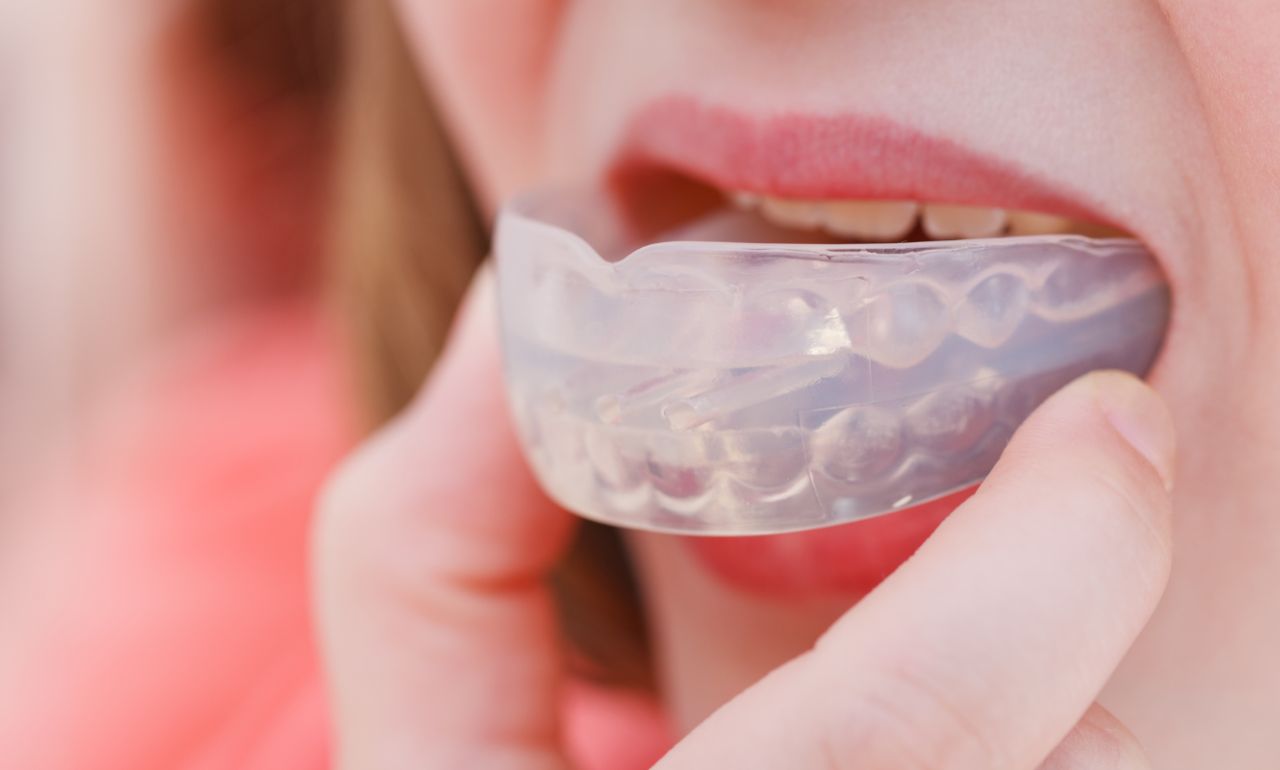
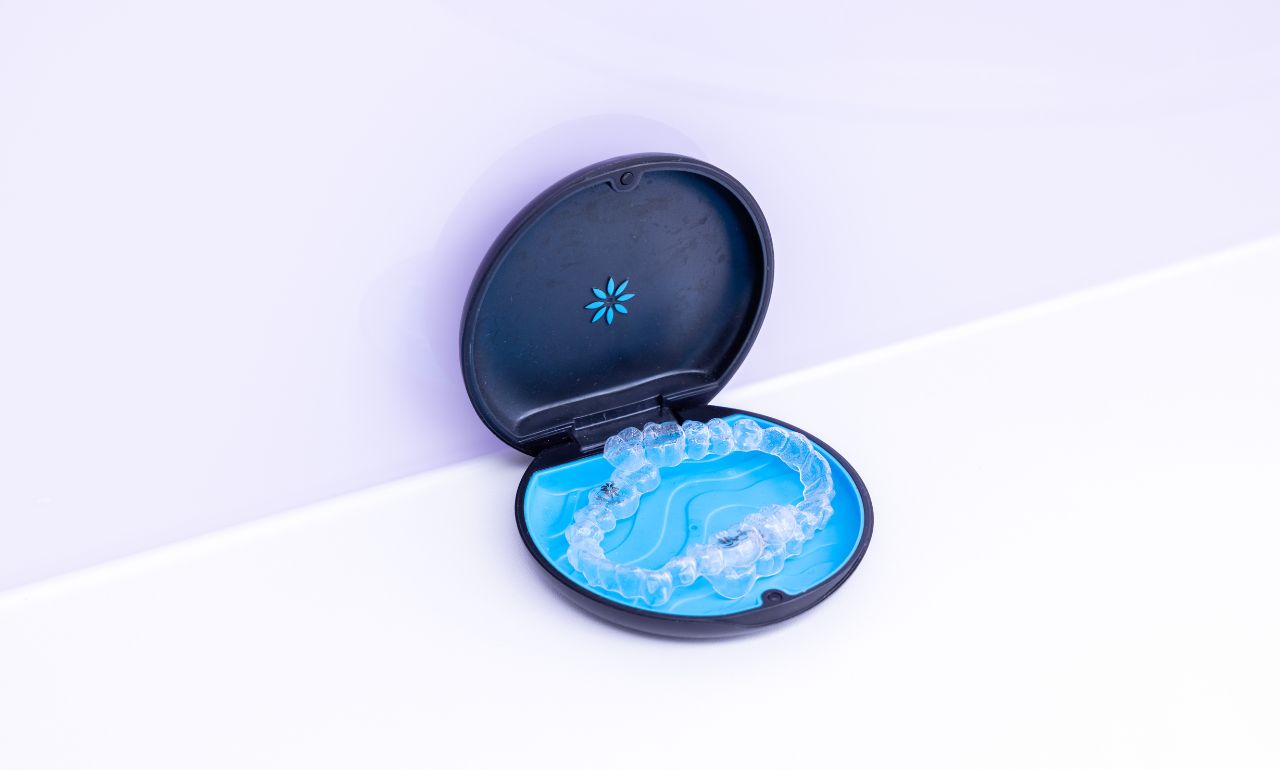
Invisalign uses clear, removable aligners to gradually shift teeth into different positions. For the treatment to work properly, several conditions typically need to be met:
Physical requirements:
- Most or all permanent teeth should be present
- Teeth need to be fully erupted with established roots
- Adequate tooth structure for aligner attachment points
- Jaw growth should be relatively stable
Practical requirements:
- The patient needs to wear aligners for around 20-22 hours daily
- Aligners must be removed only for eating and brushing
- Regular cleaning and care of the aligners is required
- Compliance with wearing schedule is important
This is where age becomes a factor, particularly with children under 12.
Invisalign Young Children Considerations
While Invisalign has developed options designed for younger patients, whether it’s appropriate for a child under 12 depends on several individual factors.
Dental development stage: Some children have most of their permanent teeth by age 11 or 12, while others are still losing baby teeth. Your child’s specific dental development stage matters more than their chronological age.
Maturity and responsibility: Can your child remember to wear their aligners consistently? Will they resist the temptation to take them out at school? Are they responsible enough to clean and care for the aligners properly? These aren’t easy questions, and only you know your child well enough to answer honestly.
Nature of the orthodontic issue: Some tooth alignment concerns are better addressed at certain developmental stages. Early intervention might be recommended for some issues, while others are best treated after all permanent teeth have erupted.
Compliance concerns: Invisalign only works if it’s worn as directed. If your child isn’t ready to take that responsibility seriously, the treatment may not achieve the intended results.
When Earlier Intervention Makes Sense
There are situations where orthodontic assessment and possible treatment before age 12 can be beneficial. This doesn’t always mean full Invisalign treatment in our Melbourne or Sunbury clinic, but might involve other approaches.
Early orthodontic issues that might need attention:
- Severe crowding affecting tooth eruption
- Significant bite problems impacting jaw development
- Habits like thumb sucking affecting tooth position
- Crossbites that could affect jaw growth
Your dentist or orthodontist can assess whether your child’s specific situation might benefit from early evaluation, even if comprehensive treatment isn’t started right away.
Alternative Approaches for Younger Children
If Invisalign isn’t appropriate for your under-12 child yet, other options might be available depending on their needs:
Traditional braces: These fixed appliances don’t rely on patient compliance for wearing time, which can be an advantage for younger children. They work with mixed dentition in some situations.
Partial orthodontic treatment: Sometimes called Phase 1 treatment, this addresses specific issues while waiting for full permanent dentition to develop.
Space maintainers: If your child has lost baby teeth early, these appliances can hold space for permanent teeth to erupt properly.
Monitoring and waiting: In many cases, the appropriate approach is regular monitoring until the right developmental stage for treatment is reached.
Questions to Ask Your Dental Team
If you’re considering orthodontic options for your child under 12, these questions can help guide your discussion:
- Has my child reached an appropriate developmental stage for Invisalign?
- What orthodontic issues need to be addressed, and when?
- Are there benefits to starting treatment now versus waiting?
- What are the alternatives if Invisalign isn’t suitable yet?
- What does successful treatment require from my child?
Honest discussion about your child’s maturity level and ability to comply with treatment requirements is important. Your dental team can’t observe your child’s day-to-day behaviour at home and school.
The Reality of Treatment Compliance
If your child isn’t quite ready for the responsibility, waiting a year or two might lead to better outcomes than starting treatment they can’t fully commit to. There’s no shame in deciding the timing isn’t right yet.
Making the Decision
Consider your child’s dental development stage, their personality and maturity level, the specific orthodontic concerns being addressed, and whether the timing aligns with their readiness to participate in their own care.
Sometimes the best decision is to wait, even if treatment is technically possible. Your child’s long-term dental health is what matters, and that might mean choosing the right timing over the earliest possible timing.
Get Professional Guidance
At Sunbury Dentist, we can assess your child’s dental development, discuss their specific needs, and talk honestly about whether now is the right time for treatment or if monitoring and waiting would be more appropriate.
Call Sunbury Dentist on 03 8820 1551 or fill out our enquiry form to schedule a consultation. We’re here to help you understand what’s realistic for your child’s situation.
Frequently Asked Questions
At what age can children typically start Invisalign treatment?
This varies based on individual dental development rather than a specific age. Most children need most or all of their permanent teeth present for Invisalign to be appropriate. For some children, this happens around age 11-12, while others may need to wait longer. A dental evaluation can determine where your child is in their dental development.
Is my child too young if they still have baby teeth?
Invisalign typically requires permanent teeth to be present, as the aligners need stable tooth structure to work effectively. If your child still has several baby teeth, it may be too early for Invisalign treatment. However, other orthodontic approaches might be appropriate depending on their specific needs.
What if my child loses or breaks their Invisalign aligners?
Replacement aligners can be ordered, though this may involve additional costs and could extend treatment time. This is one reason why patient maturity and responsibility are important considerations. If your child isn’t quite ready to take care of their aligners reliably, it might be worth waiting until they’re a bit older.