Over 1000 5 Star Ratings on Google Reviews

If you avoid dental appointments because of an overactive gag reflex, you’re not alone. Many patients experience varying degrees of gagging during dental procedures, which can make routine care challenging or even impossible to complete. At Sunbury Dentist, part of the Dental House Group, we understand how sleep dentistry gag reflex management can potentially help patients across Sunbury, Gisborne, Diggers Rest, and surrounding areas receive necessary dental care.
Understanding the relationship between gag reflexes and dental anxiety, and how sedation options may help, is important for making informed decisions about your dental care.
Understanding the Gag Reflex
The gag reflex, medically known as the pharyngeal reflex, is a natural protective mechanism designed to prevent foreign objects from entering your throat. This reflex is controlled by the glossopharyngeal and vagus nerves and serves an important safety function.
During dental procedures, various factors can trigger this reflex:
- Dental instruments touching the back of the mouth
- Impression materials used for moulds
- Saliva accumulation during treatment
- Anxiety and stress related to dental procedures
- Positioning during treatment
Individual Variation: The sensitivity of gag reflexes varies significantly between individuals. Some people have minimal response, while others may experience strong reactions to even light touch in the mouth area. This variation can be influenced by anatomical differences, psychological factors, and past experiences.
When Gag Reflexes Become Problematic: While normal gag reflexes are protective, hypersensitive responses can interfere with necessary dental care. This may lead to incomplete treatments, increased anxiety about dental visits, and potential avoidance of needed care.
What Is Sleep Dentistry?
Sleep dentistry, also known as sedation dentistry, refers to the use of medication to help patients feel more relaxed during dental procedures. Despite the name, patients are typically not actually asleep but rather in a relaxed, drowsy state.
Types of Sedation Available:
- Minimal sedation: Light relaxation while remaining fully conscious
- Moderate sedation: Deeper relaxation with possible memory gaps
- Deep sedation: Near-unconscious state with limited awareness
- General anaesthesia: Complete unconsciousness requiring medical monitoring
Common Sedation Methods:
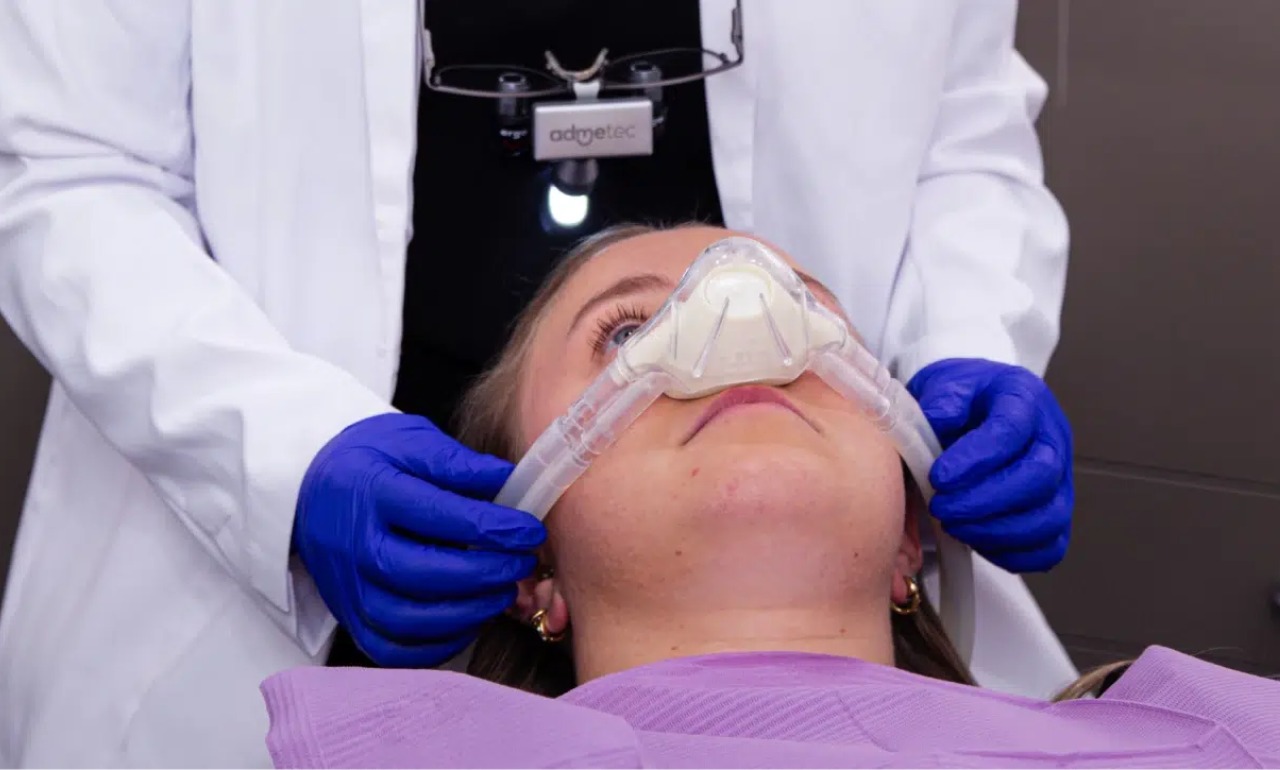
- Nitrous oxide: Inhaled gas that provides mild relaxation
- Oral sedation: Medication taken by mouth before treatment
- IV sedation: Medication administered intravenously for deeper sedation
- General anaesthesia: Complete sedation requiring specialised monitoring
Each method has different characteristics, onset times, and duration of effects. Your dentist can discuss which options may be appropriate for your situation.
How Sleep Dentistry May Help with Gag Reflex Issues
Sleep dentistry gag reflex management works through several mechanisms that may reduce the sensitivity of your gag response during dental procedures.
Relaxation Effects: Sedation medications can help reduce overall anxiety and muscle tension, which may contribute to gag reflex sensitivity. When patients are more relaxed, they may be less likely to experience strong gag responses.
Reduced Awareness: Depending on the level of sedation used, patients may have reduced awareness of sensations in their mouth, potentially making gag-inducing stimuli less noticeable.
Suppressed Reflexes: Some sedation medications may have a mild suppressive effect on reflexes, though this varies depending on the type and level of sedation used.
Psychological Benefits: Knowing that sedation is available may help reduce anticipatory anxiety about gagging, which can sometimes make the actual reflex worse.
Factors to Consider
While sleep dentistry may help some patients with gag reflex issues, several factors need consideration:
Individual Response: People respond differently to sedation medications. What works well for one patient may not be as effective for another. Your medical history, current medications, and individual physiology all influence how you might respond to sedation.
Severity of Gag Reflex: The degree of your gag reflex sensitivity may influence which sedation options might be most appropriate. Mild sensitivity might respond well to lighter sedation, while more severe cases may require deeper sedation levels.
Type of Dental Procedure: Different dental procedures involve varying levels of manipulation in the mouth. Some treatments may be more likely to trigger gag reflexes than others, which may influence sedation recommendations.
Medical Considerations: Your overall health status, current medications, allergies, and medical conditions all factor into whether sedation is appropriate and which types might be suitable for you.
Alternative Approaches
Sleep dentistry is not the only option for managing gag reflexes during dental care. Other techniques may also be helpful:
Behavioural Techniques:
- Breathing exercises and relaxation methods
- Distraction techniques during procedures
- Gradual desensitisation over multiple appointments
- Communication with your dental team about your concerns
Physical Modifications:
- Positioning adjustments during treatment
- Use of saliva ejectors to manage fluid accumulation
- Modified impression techniques when possible
- Shorter appointment durations
Topical Applications:
- Numbing gels or sprays applied to sensitive areas
- Salt water rinses before treatment
- Ice chips to temporarily reduce sensitivity
Your dentist can discuss which combination of approaches might be most helpful for your situation.
Safety Considerations
All forms of sedation carry some level of risk and require appropriate precautions:
Pre-Treatment Evaluation: Before any sedation, your dentist will review your medical history, current medications, and assess your suitability for different sedation options.
Monitoring Requirements: Different levels of sedation require different types of monitoring during treatment. This may include pulse oximetry, blood pressure monitoring, and observation of breathing patterns.
Recovery Considerations: After sedation, you’ll need time to recover before driving or returning to normal activities. The duration depends on the type and amount of sedation used.
Informed Consent: You should receive detailed information about the sedation process, including potential risks, benefits, and alternatives before consenting to treatment.
Making Treatment Decisions
When considering sleep dentistry for gag reflex management, several factors can help guide your decision:
Consultation Discussion: During your consultation, discuss your gag reflex experiences honestly with your dentist. Explain what triggers your response and how severe it typically is.
Treatment Planning: Your dentist can help determine whether sedation might be beneficial for your specific procedures and situation.
Risk-Benefit Assessment: Consider the potential benefits of completing necessary dental care against the risks and costs associated with sedation.
Alternative Options: Discuss other management strategies that might be tried alone or in combination with sedation.
What to Expect
If you and your dentist decide that sleep dentistry might be appropriate for managing your gag reflex:
Pre-Treatment Instructions: You’ll receive specific instructions about eating, drinking, and medication before your appointment.
During Treatment: Your vital signs will be monitored, and the dental team will ensure your comfort and safety throughout the procedure.
Post-Treatment Care: You’ll need someone to drive you home and should plan for recovery time based on the type of sedation used.
Follow-Up: Your dentist may schedule follow-up appointments to monitor healing and discuss your experience.
Understanding Your Options
Sleep dentistry gag reflex management represents one approach to helping patients who struggle with sensitive gag responses receive necessary dental care. While sedation may be helpful for some individuals, it’s not appropriate for everyone, and alternative strategies may also be effective.
The decision to use sleep dentistry should be based on careful consideration of your individual circumstances, medical history, and treatment needs, discussed thoroughly with your dental team.
Discuss Your Concerns with Our Team
If you experience difficulties with gag reflexes during dental procedures and are interested in learning more about your options, including sleep dentistry, we encourage you to schedule a consultation.
At Sunbury Dentist, our team can evaluate your individual situation and discuss whether sedation or other management strategies might be appropriate for your needs.
Call Sunbury Dentist on 03 8820 1551 or fill out our enquiry form to schedule a consultation. We’re here to help you understand your options for comfortable dental care.
Frequently Asked Questions
Is sleep dentistry safe for patients with gag reflex issues?
Sleep dentistry can be safe when appropriate candidates are selected and proper monitoring is used. Your dentist will evaluate your medical history and current health status to determine if sedation is appropriate for you. All sedation carries some risks, which should be discussed during consultation.
Will sleep dentistry completely eliminate my gag reflex?
While sedation may reduce gag reflex sensitivity, it may not eliminate it entirely. The degree of reduction varies between individuals and depends on the type and level of sedation used. Your dentist can discuss realistic expectations based on your specific situation.
What happens if I still gag during sedated dental treatment?
If gagging occurs during sedated treatment, your dental team is trained to manage this situation. They may adjust your position, provide additional comfort measures, or modify the treatment approach as needed. Communication with your dental team about your concerns is important throughout the process.