Over 1000 5 Star Ratings on Google Reviews


You’ve tried everything for those persistent headaches. Painkillers, neck massages, different pillows, even changing your computer setup. But what if the real problem isn’t where you think it is? At Sunbury Dentist, part of the Dental House Group, we regularly see patients from Sunbury, Gisborne, and Diggers Rest who discover their chronic headaches and neck pain actually stem from TMJ dysfunction.
TMJ headaches are more common than you might think, affecting millions of Australians who often spend years seeking relief in all the wrong places. Understanding the connection between your jaw joint and head pain could be the key to finally finding lasting relief.
What Exactly Is TMJ Dysfunction?
TMJ stands for temporomandibular joint, the hinge-like joints that connect your jaw to your skull. When these joints aren’t working properly, it’s called TMJ dysfunction or TMD (temporomandibular disorder).
Your TMJ is one of the most complex joints in your body, allowing you to:
- Open and close your mouth
- Move your jaw side to side
- Chew, speak, and swallow
- Express emotions through facial movements
When something goes wrong with this intricate system, the effects can ripple throughout your head, neck, and even shoulders. According to the Australian Dental Association, approximately 10-15% of adults experience some form of TMJ dysfunction, with women being twice as likely to be affected as men.
The Hidden Connection: How TMJ Causes Headaches
The relationship between TMJ dysfunction and headaches isn’t always obvious, which is why many people suffer for years before discovering the real cause. Here’s how your jaw problems can trigger head pain:
Muscle Tension and Referral Pain When your jaw muscles are overworked or strained, they can create tension that spreads to surrounding areas. The muscles that control jaw movement are closely connected to those in your temples, forehead, and neck.
Nerve Pathway Overlap The trigeminal nerve, which controls jaw function, has branches that extend throughout your face and head. When this nerve becomes irritated due to TMJ dysfunction, it can trigger pain in areas far from your actual jaw.
Compensatory Muscle Patterns When your jaw isn’t functioning properly, other muscles work harder to compensate. This creates a domino effect of tension through your neck, shoulders, and head.
Research from Australian pain management centres shows that 75% of people with TMJ dysfunction experience some form of headache, with tension-type headaches being the most common.
Recognising TMJ Headaches: The Tell-Tale Signs
TMJ headaches often have distinct characteristics that set them apart from other types of head pain. If you’re experiencing several of these symptoms together, your jaw might be the culprit:
Common TMJ Headache Patterns:
- Pain that’s worse in the morning after sleeping
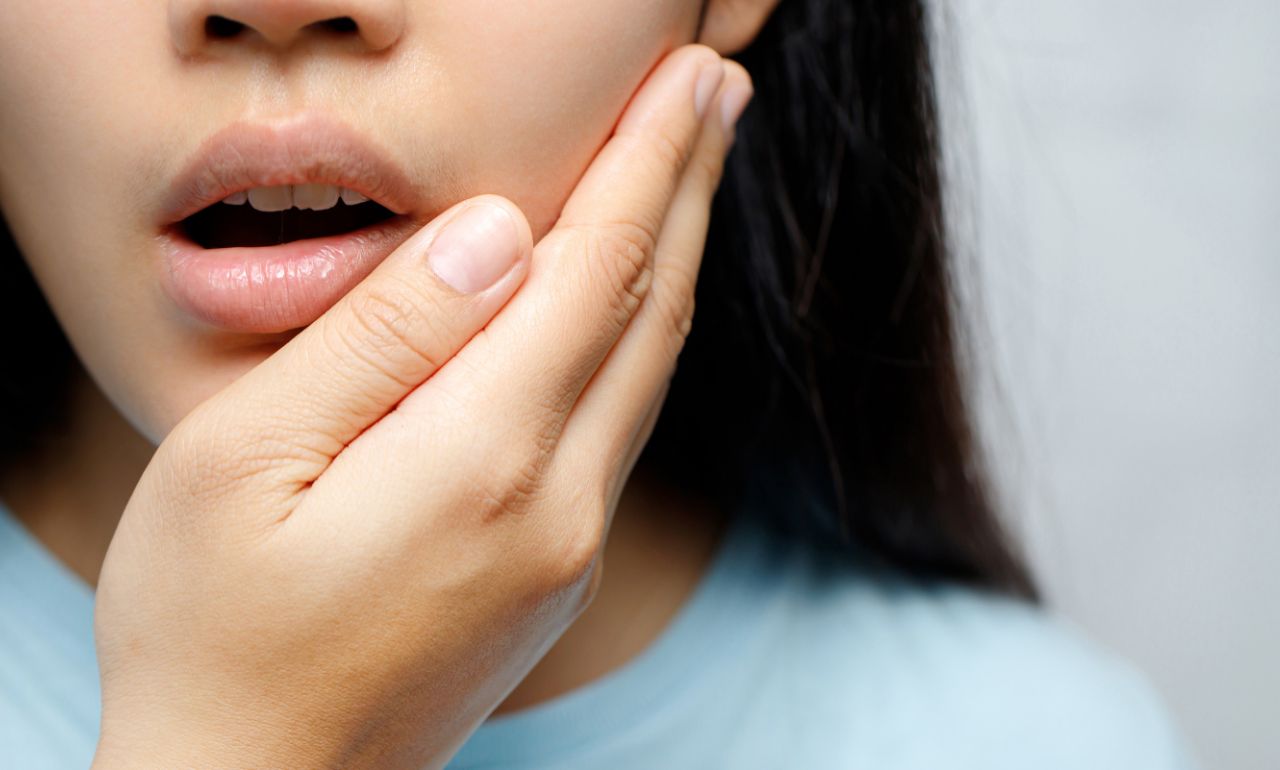
- Headaches that coincide with jaw stiffness or pain
- Temples that feel tender to touch
- Pain that worsens with chewing or talking
- Headaches accompanied by ear pain or ringing
- Neck stiffness that seems to start from your jaw area
Additional TMJ Symptoms to Watch For:
- Jaw clicking, popping, or locking
- Difficulty opening your mouth fully
- Pain when chewing tough or chewy foods
- Facial muscle fatigue
- Changes in how your teeth fit together
Many patients tell us they’ve noticed their headaches seem connected to stress, teeth grinding, or certain jaw movements, but hadn’t made the TMJ connection until their consultation.
Beyond Headaches: TMJ and Neck Pain
The connection between TMJ dysfunction and neck pain is particularly strong because of how closely these systems work together. Your jaw and neck share muscle groups and nerve pathways, creating a complex relationship where problems in one area often affect the other.
How TMJ Triggers Neck Pain:
- Postural compensation: When your jaw hurts, you unconsciously adjust your head position, straining neck muscles
- Shared muscle groups: Several muscles attach to both your jaw and neck, spreading tension between areas
- Sleep positioning: TMJ pain often leads to sleeping in awkward positions, creating neck stiffness
According to studies from Australian physiotherapy clinics, 60% of people with TMJ dysfunction also experience chronic neck pain, and treating the jaw often provides significant neck pain relief.
What Causes TMJ Dysfunction?
Understanding what leads to TMJ problems can help explain why headaches and neck pain develop. Common causes include:
Physical Factors:
- Teeth grinding or clenching (bruxism)
- Bite misalignment or malocclusion
- Arthritis in the jaw joint
- Previous jaw injuries or trauma
Lifestyle Contributors:
- Chronic stress leading to jaw tension
- Poor posture, especially forward head posture
- Habits like nail biting or pencil chewing
- Sleep disorders that increase muscle tension
Dental-Related Causes:
- Poorly fitting dental work
- Missing teeth causing jaw imbalance
- Orthodontic issues affecting bite alignment
Many patients find their TMJ symptoms developed gradually, making it difficult to pinpoint exactly when the problems began.
Treatment Options: Finding Relief for TMJ Headaches
The good news is that TMJ dysfunction is treatable, and addressing the underlying jaw problems often provides significant relief from headaches and neck pain.
Conservative Treatment Approaches:
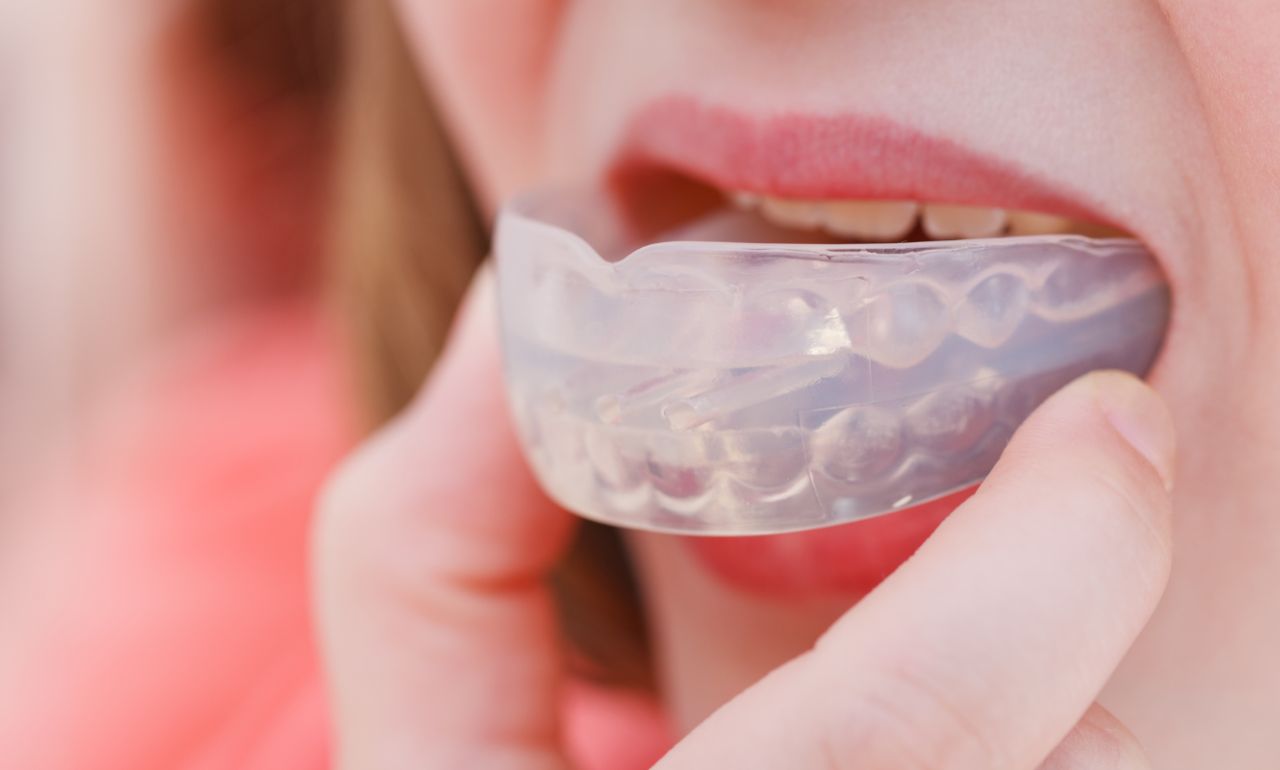
- Custom-fitted night guards to prevent grinding
- Bite adjustment therapy to improve jaw alignment
- Stress management techniques and relaxation therapy
- Physical therapy focusing on jaw and neck muscles
- Anti-inflammatory medications during acute episodes
Advanced Treatment Options:
- Occlusal splint therapy for severe cases
- Restorative dentistry to correct bite issues
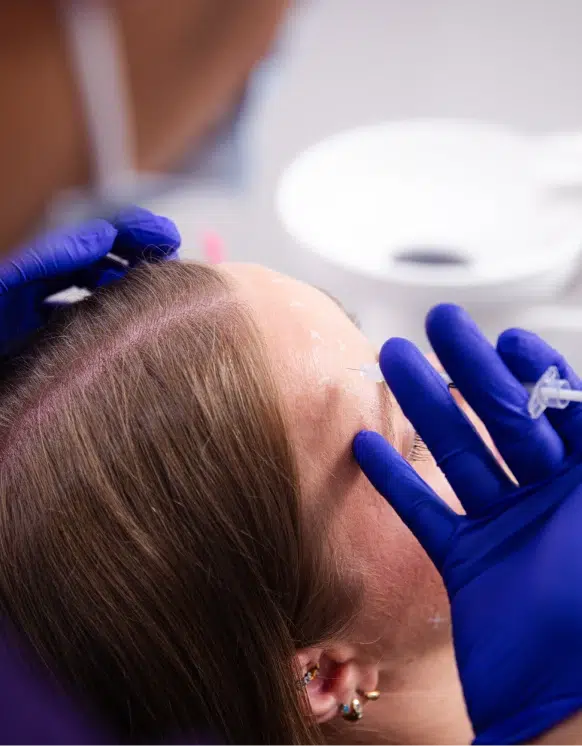
- Facial injections for muscle relaxation
- Full mouth rehabilitation when multiple factors are involved
At Sunbury Dentist, we take a comprehensive approach, often working with other healthcare providers to address all aspects of your TMJ dysfunction.
When to Seek Professional Help
If you’re experiencing persistent headaches along with jaw symptoms, it’s worth investigating whether TMJ dysfunction might be involved. Consider seeking professional evaluation if you have:
- Daily or frequent headaches that don’t respond well to standard treatments
- Jaw pain, clicking, or stiffness accompanying your headaches
- Neck pain that seems connected to jaw tension
- Morning headaches that improve throughout the day
- Headaches that worsen during stressful periods
Early intervention often leads to better outcomes and can prevent TMJ dysfunction from worsening over time.
The Bottom Line
TMJ dysfunction creates a complex web of symptoms that often includes headaches and neck pain due to shared muscle groups, nerve pathways, and compensatory movement patterns. Recognising the connection between jaw problems and head pain is crucial for finding effective treatment. While TMJ headaches can be persistent and frustrating, they’re highly treatable with the right approach, and addressing the underlying jaw dysfunction often provides significant relief for both head and neck pain.
Take Control of Your TMJ Headaches
If you’ve been struggling with unexplained headaches or neck pain that might be connected to jaw problems, you don’t have to continue suffering. Understanding the TMJ connection could be the breakthrough you’ve been looking for.
At Sunbury Dentist, we specialise in diagnosing and treating TMJ dysfunction, helping patients across Sunbury, Gisborne, Diggers Rest, and surrounding areas find relief from chronic pain.
Call Sunbury Dentist on 03 8820 1551 or fill out our enquiry form to book a comprehensive TMJ evaluation. Let’s work together to determine if your jaw is the real culprit behind your headaches and develop a treatment plan that brings you lasting relief.
Frequently Asked Questions
How long does it take for TMJ treatment to relieve headaches?
Most patients notice some improvement within 2-4 weeks of starting treatment, though complete relief may take several months depending on the severity of the dysfunction and which treatments are most effective for your specific case.
Can TMJ headaches be mistaken for migraines?
Yes, TMJ headaches can sometimes mimic migraine symptoms, including severe pain and sensitivity to light. However, TMJ headaches typically have jaw-related triggers and respond differently to treatment than true migraines.
Will fixing my bite eliminate TMJ headaches completely?
While bite correction can significantly reduce TMJ symptoms and associated headaches, complete elimination depends on various factors including the underlying cause, how long the dysfunction has been present, and whether other contributing factors like stress are also addressed.