Over 1000 5 Star Ratings on Google Reviews


You might wake up with a sore jaw and think nothing of it, or perhaps your partner has mentioned you’re making grinding noises during sleep. While jaw pain is often the first sign people notice, teeth grinding tooth wear creates a cascade of problems that extend far beyond temporary discomfort. At Sunbury Dentist, part of the Dental House Group, we regularly help patients from Sunbury, Gisborne, Diggers Rest, and surrounding areas address the surprising range of issues caused by this common but destructive habit.
Most people don’t realise that teeth grinding, medically known as bruxism, can silently damage their smile in ways that affect both function and appearance. Understanding these broader implications is crucial for protecting your long-term oral health.
What Exactly Happens When You Grind Your Teeth?
Teeth grinding involves the involuntary clenching, gnashing, or grinding of teeth, typically during sleep. Your jaw muscles can generate tremendous force during these episodes – up to 250 pounds per square inch, which is significantly more pressure than normal chewing.
According to the Australian Sleep Association, approximately 8-10% of adults experience regular teeth grinding, though many cases go undiagnosed because people aren’t aware they’re doing it.
During grinding episodes, your teeth are subjected to:
- Excessive horizontal and vertical forces
- Repetitive friction between tooth surfaces
- Sustained muscle contractions throughout the jaw system
- Pressure that can exceed normal chewing forces by up to 10 times
This combination creates the ideal conditions for widespread dental damage that often develops gradually over months or years.
Beyond Jaw Pain: The Hidden Consequences of Teeth Grinding
While jaw discomfort might be what brings people to our practice initially, teeth grinding tooth wear manifests in numerous ways that can affect your entire oral health system.
Tooth Structure Damage:
- Enamel erosion: The protective outer layer wears away, exposing sensitive inner layers
- Flattened chewing surfaces: Teeth lose their natural shape and cutting edges
- Chips and cracks: Sudden fractures can occur from excessive pressure
- Shortened teeth: Overall tooth height decreases from constant wear
Functional Problems:
- Bite changes: As teeth wear down, your bite relationship shifts
- Chewing difficulties: Worn teeth become less efficient at processing food
- Speech changes: Altered tooth shape can affect pronunciation
- Increased sensitivity: Exposed tooth layers respond painfully to temperature changes
Aesthetic Concerns:
- Aged appearance: Worn teeth can make you look older than your years
- Uneven smile line: Different wear patterns create an irregular appearance
- Gum exposure: Shortened teeth may reveal more gum tissue when smiling
Research from Australian dental schools indicates that untreated bruxism can reduce tooth height by 2-3mm over a decade, significantly altering facial support and smile aesthetics.
The Domino Effect: How Tooth Wear Impacts Your Entire Mouth
Teeth grinding tooth wear doesn’t happen in isolation. As your teeth change shape and size, it creates a domino effect throughout your oral system.
Bite Relationship Changes: When teeth wear unevenly, your jaw must work harder to find a comfortable resting position. This can lead to further muscle tension and create a cycle where grinding becomes more likely.
Gum and Bone Problems: Excessive forces from grinding can cause:
- Gum recession around affected teeth
- Bone loss in severe cases
- Loosening of teeth over time
- Increased risk of periodontal disease
Adjacent Tooth Stress: As some teeth wear down, others may bear additional load, leading to:
- Uneven wear patterns spreading to other teeth
- Increased risk of fractures in overloaded teeth
- Shifting of teeth into new positions
Restoration Complications: Existing dental work faces additional challenges:
- Fillings and crowns may fail prematurely
- Dental implants can experience increased stress
- Orthodontic results may become unstable
Recognising the Signs: Is Grinding Affecting Your Teeth?
Many people with bruxism don’t realise the extent of damage until a dental examination reveals the evidence. Here are key signs that teeth grinding tooth wear may be affecting you:
Visible Tooth Changes:
- Flattened or worn-down chewing surfaces
- Teeth that appear shorter than they used to
- Small chips or fractures along tooth edges
- Shiny, polished-looking areas on teeth
Functional Symptoms:
- Increased tooth sensitivity, especially to cold
- Difficulty biting into hard foods
- Changes in how your teeth fit together
- Food getting stuck in new places between teeth
Associated Discomfort:
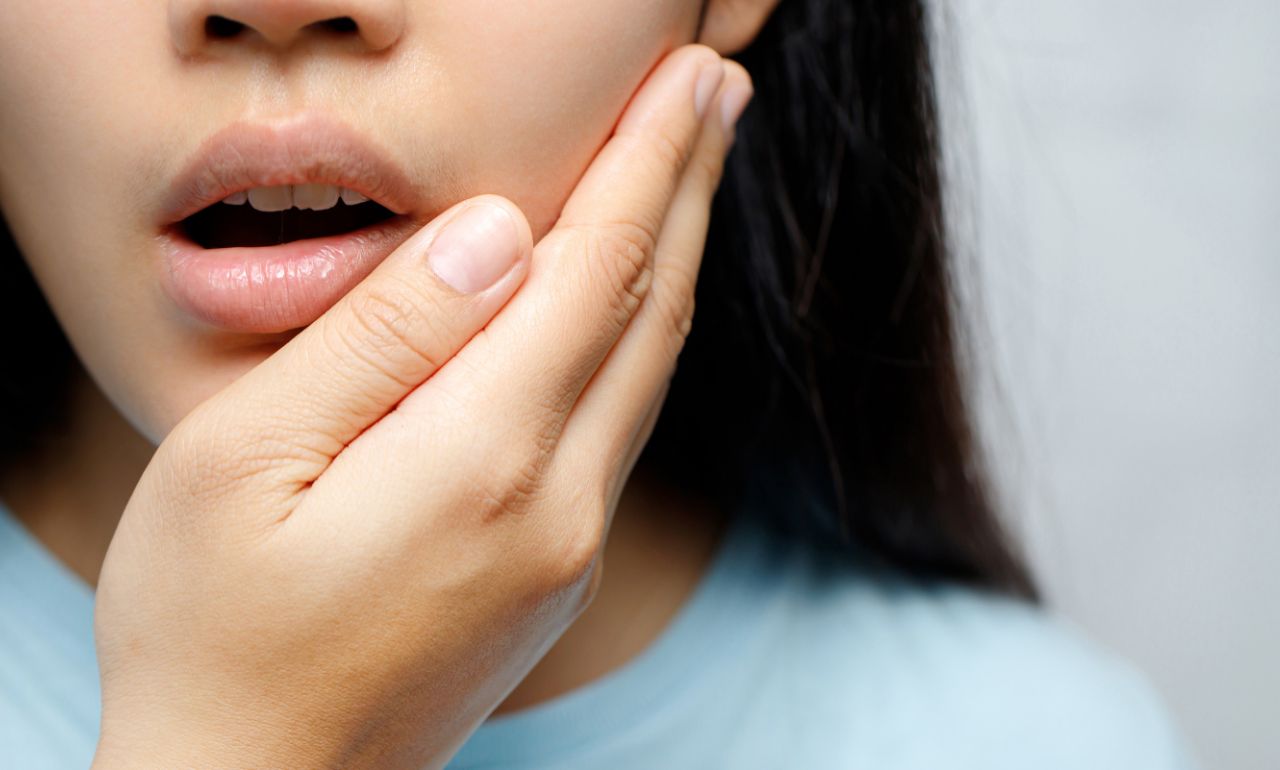
- Morning jaw stiffness or pain
- Frequent headaches, particularly upon waking
- Neck and shoulder tension
- Earache without obvious cause
Sleep-Related Signs:
- Partner reporting grinding or clicking sounds
- Waking with a tired or tight feeling in your jaw
- Disrupted sleep patterns
- Jaw muscle fatigue throughout the day
Treatment Options: Protecting Your Teeth from Further Damage
The good news is that teeth grinding tooth wear can be managed effectively with the right approach. Treatment typically involves both protecting existing teeth and addressing underlying causes.
Immediate Protection:
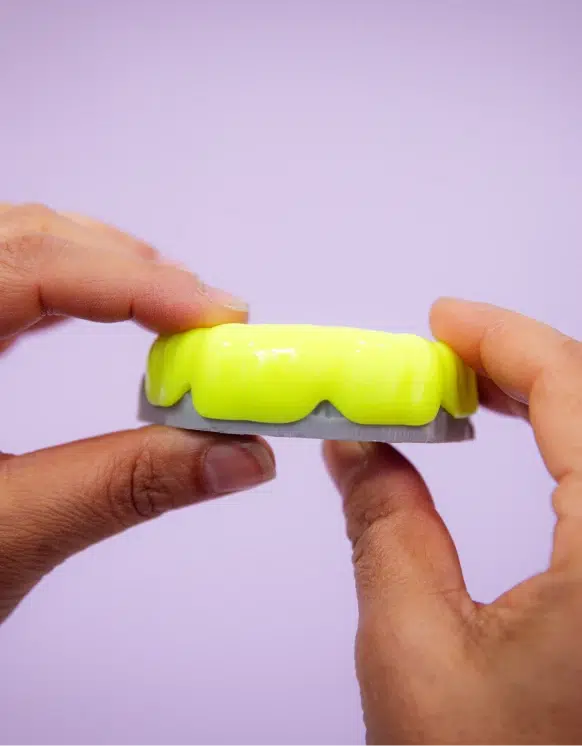
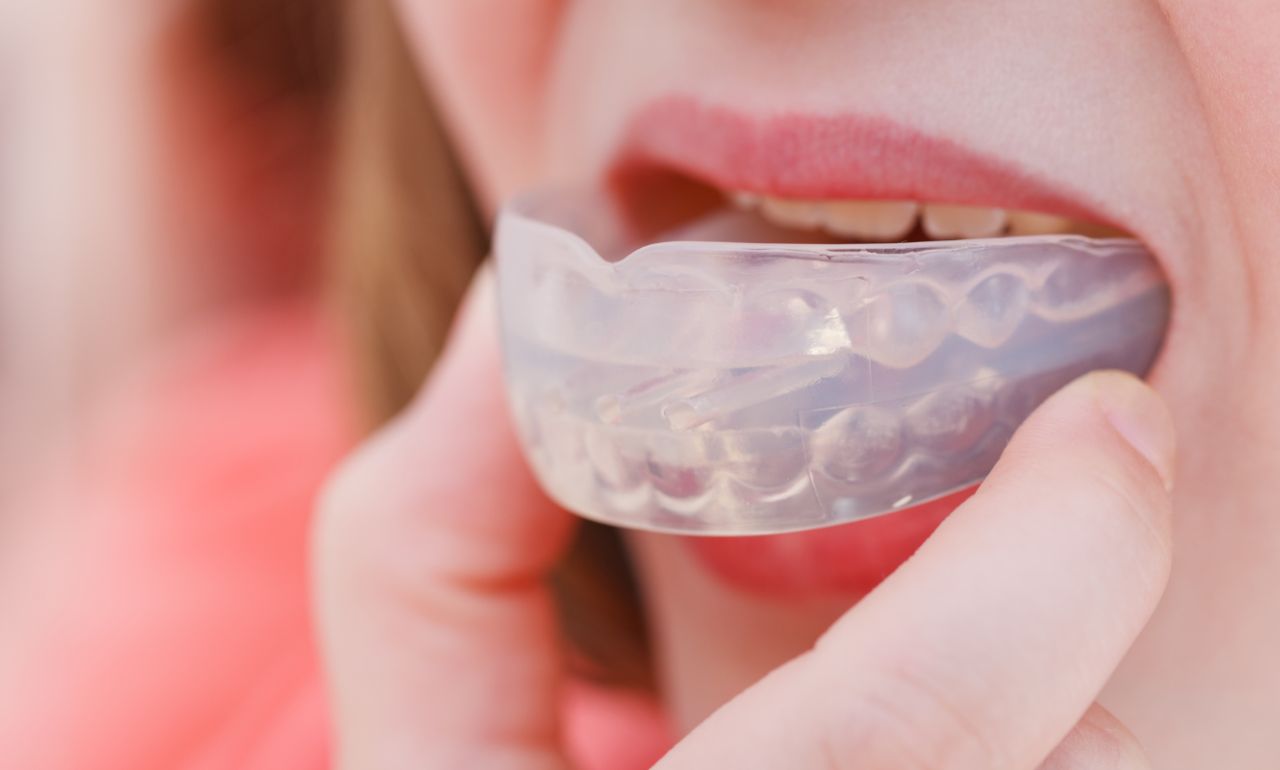
- Custom night guards: Professionally fitted appliances that cushion teeth during grinding episodes
- Occlusal splints: Specialised devices that can help reposition the jaw for better function
- Bite adjustment: Minor modifications to tooth surfaces to improve jaw alignment
Restorative Solutions:
- Dental crowns: Rebuild severely worn teeth to restore proper height and function
- Bonding or veneers: Address minor chips and wear for improved appearance
- Full mouth rehabilitation: Comprehensive treatment for extensive damage
Lifestyle Modifications:
- Stress management: Techniques to reduce tension that contributes to grinding
- Sleep hygiene: Improving sleep quality may reduce bruxism episodes
- Dietary adjustments: Limiting caffeine and alcohol, especially before bedtime
At Sunbury Dentist, we create personalised treatment plans that address both the symptoms and underlying causes of your grinding habit.
Prevention: Breaking the Grinding Cycle
While some factors contributing to bruxism aren’t easily controlled, several strategies can help reduce grinding frequency and intensity:
Stress Reduction Techniques:
- Regular exercise and relaxation practices
- Mindfulness and meditation
- Professional counselling for chronic stress
Sleep Environment Optimisation:
- Maintaining consistent sleep schedules
- Creating a relaxing bedtime routine
- Ensuring comfortable sleeping conditions
Habit Awareness:
- Recognising daytime clenching and consciously relaxing jaw muscles
- Positioning tongue between teeth during the day to prevent contact
- Regular self-checks for jaw tension
The Long-Term Outlook: Why Early Intervention Matters
Left untreated, teeth grinding tooth wear tends to worsen over time. What starts as minor surface changes can progress to significant structural damage requiring extensive treatment.
Australian dental research shows that patients who address bruxism early require 60% less restorative treatment over their lifetime compared to those who delay intervention. Early treatment not only preserves your natural teeth but also saves time and money in the long run.
The Bottom Line
Teeth grinding tooth wear extends far beyond simple jaw pain, creating a complex web of dental problems that affect tooth structure, bite function, aesthetics, and overall oral health. The excessive forces generated during grinding episodes can flatten chewing surfaces, create chips and cracks, alter bite relationships, and lead to widespread dental damage over time. Recognition of early signs combined with appropriate treatment can prevent progression and protect your smile, while delayed intervention often results in more extensive and costly treatments.
Don’t Let Grinding Wear Down Your Smile
If you suspect teeth grinding might be affecting your oral health, waiting won’t make the problem disappear. The sooner grinding habits are addressed, the more of your natural tooth structure can be preserved.
At Sunbury Dentist, we specialise in diagnosing and treating teeth grinding tooth wear for patients throughout Sunbury, Gisborne, Diggers Rest, and surrounding areas. Our comprehensive approach addresses both immediate protection and long-term solutions.
Call Sunbury Dentist on 03 8820 1551 or fill out our enquiry form to book a thorough evaluation. Let’s work together to protect your teeth from further grinding damage and restore the health and function of your smile.
Frequently Asked Questions
How quickly does teeth grinding cause noticeable tooth wear?
The timeline varies greatly depending on grinding intensity and frequency. Some people notice changes within months, while others may grind for years before visible wear appears. Regular dental check-ups help catch early signs before major damage occurs.
Can tooth wear from grinding be reversed?
While natural enamel cannot regenerate, the effects of grinding can be restored through various dental treatments including crowns, veneers, or bonding. The key is stopping further damage while restoring function and appearance.
Will a night guard completely prevent tooth wear from grinding?
A properly fitted night guard significantly reduces tooth wear by cushioning grinding forces and preventing direct tooth contact. However, it’s important to have regular check-ups to ensure the guard fits properly and is effectively protecting your teeth.