Over 1000 5 Star Ratings on Google Reviews

Let’s be honest. Most of us only go to the dentist when something hurts. So when your dentist recommends removing your wisdom teeth but you feel perfectly fine, it’s natural to wonder if it’s really necessary.
We hear this a lot at Sunbury Dentist. Patients from Sunbury, Gisborne, Diggers Rest and surrounding suburbs often ask, “Why would I remove something that isn’t bothering me?”
The truth is, pain isn’t always the best indicator that something’s wrong. In fact, some of the most troublesome wisdom teeth can quietly cause damage without you realising it until it’s too late.
Let’s explore why asymptomatic wisdom teeth removal is sometimes not just recommended, but a smart preventive move.
What Are Asymptomatic Wisdom Teeth?
Asymptomatic simply means there are no symptoms. These are wisdom teeth that:
- Don’t cause pain
- Haven’t visibly shifted other teeth
- Don’t show signs of swelling or infection
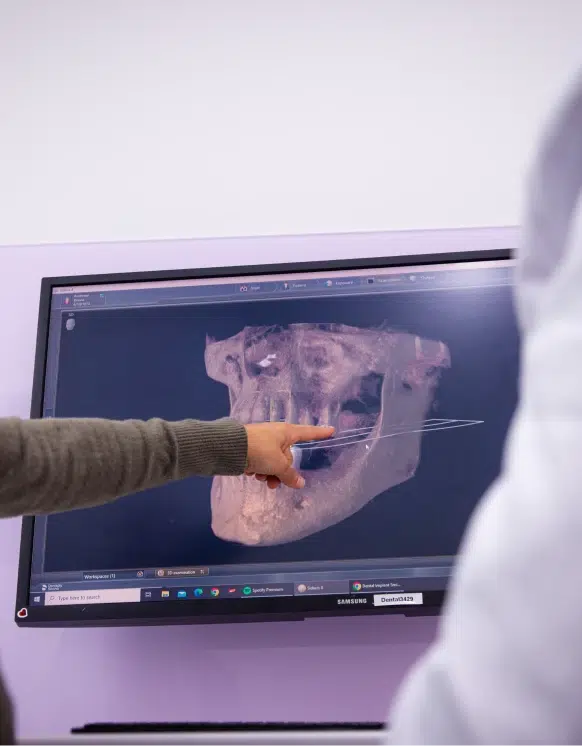
They may seem like they’re not doing any harm. But beneath the surface, things can look very different. That’s why we always use 3D scans and digital X-rays at Sunbury Dentist to assess how wisdom teeth are sitting in your jaw, even if they haven’t made a fuss yet.
Why Remove Wisdom Teeth That Don’t Hurt?
There are several reasons we might recommend removing wisdom teeth even when they’re not currently causing pain. Here’s what we look out for.
1. They’re Impacted or Partially Erupted
Wisdom teeth that grow sideways or stay trapped under the gum (impacted) can quietly create problems. They may:
- Damage nearby teeth
- Create pockets where bacteria build up
- Lead to cysts or jawbone damage
Even if you don’t feel it now, these issues can appear quickly and unexpectedly.
2. They’re Hard to Clean
If wisdom teeth only partially break through the gum, they’re nearly impossible to clean properly. That makes them a hotspot for:
- Plaque and tartar buildup
- Gum infections
- Tooth decay, affecting both the wisdom tooth and the molar in front
3. They’re Crowding Other Teeth
Some wisdom teeth quietly push against the teeth in front of them, slowly changing the alignment of your smile. This is especially important if you’ve had orthodontic treatment like Invisalign in the past.
4. They’re Developing Problems Below the Surface
With 3D scans, we can sometimes see that the wisdom tooth’s root is close to nerves or bone structures, even before any symptoms appear.
According to the Australian Dental Association, up to 72% of young adults will need at least one wisdom tooth removed, often before it becomes symptomatic.
Who’s a Good Candidate for Preventive Wisdom Tooth Removal?
You might be a strong candidate for asymptomatic wisdom teeth removal if:
- You’re aged between 17 and 25, before the roots are fully formed
- Imaging shows your wisdom teeth are impacted or angled incorrectly
- You have a small jaw or limited space at the back of your mouth
- You’ve already had issues with infection or crowding in the past
- You’re undergoing orthodontic treatment, or recently completed it
- Your dentist sees early signs of bone or gum risk
We’ll always talk you through our recommendations with clear images and honest explanations. If your wisdom teeth really are behaving, we may suggest monitoring them instead.
When Waiting Can Backfire
Some patients choose to delay wisdom tooth removal because there’s no pain or visible issue. While that’s understandable, waiting too long can make future procedures harder.
Here’s what can happen over time:
- The tooth’s root thickens and grows closer to the nerve
- Infection or decay sets in, making healing more difficult
- Cysts or bone loss develop silently
- Surgery becomes more complex as the area matures
Removing wisdom teeth in your late teens or early twenties, before complications arise, usually means an easier recovery, fewer risks, and lower costs in the long run.
What Happens During Wisdom Tooth Removal?
If we recommend going ahead with wisdom tooth extraction, here’s what you can expect at Sunbury Dentist.
1. Comprehensive Consultation
We’ll take digital X-rays and 3D scans to understand the angle and depth of your wisdom teeth.
2. Comfort-Focused Planning
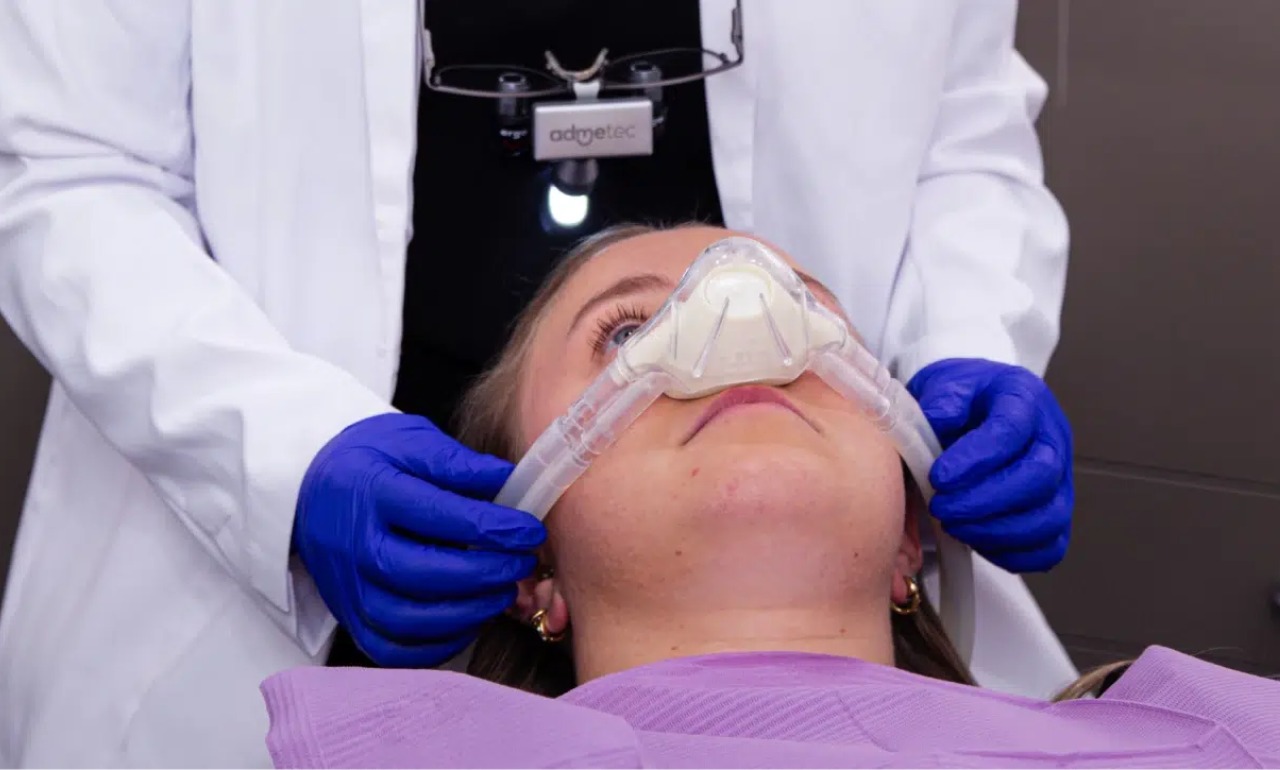
You’ll have the option of local anaesthesia, happy gas, IV sedation, or a combination depending on your needs and comfort level.
3. Gentle Removal Process
Our experienced team uses minimally invasive techniques to reduce trauma and support faster healing.
4. Post-Care Guidance
We’ll give you a detailed aftercare plan and stay in touch to make sure you’re healing smoothly.
Wisdom tooth removal is a common procedure, and we’ll make sure you’re fully informed and supported throughout.
Sunbury Dentist’s Approach to Wisdom Teeth
We never recommend unnecessary procedures. If your wisdom teeth are stable, healthy, and unlikely to cause issues, we’ll recommend regular monitoring.
But if early signs point to future trouble, we’ll talk you through your options clearly, using visuals and plain language so you can make a proactive and informed choice.
Our team is trusted across Sunbury and nearby suburbs for delivering expert care with a personal touch. Whether it’s a routine check-up or planning a wisdom tooth removal, your comfort, clarity and outcomes are always our priority.
Key Takeaways
- Asymptomatic wisdom teeth can still cause serious issues behind the scenes, including decay, crowding, and bone damage
- Preventive removal is often easier, safer, and more cost-effective, especially in younger patients
- 3D scans help us detect hidden risks, even when there’s no pain
- At Sunbury Dentist, we’ll only recommend removal when it’s genuinely in your best interest
Let’s Take a Closer Look Before Problems Start
Just because your wisdom teeth aren’t causing pain doesn’t mean they’re in the clear. Book a consultation with our team to assess whether they’re quietly causing trouble and whether asymptomatic wisdom teeth removal could save you future stress.
Call us on 03 8820 1551 or fill out the enquiry form to book your assessment today. We’ll give you the information you need to make the right decision for your long-term oral health.
Frequently Asked Questions
Why remove wisdom teeth that don’t hurt?
Pain isn’t always the first sign of a problem. Wisdom teeth can grow sideways, press on other teeth, or trap bacteria well before symptoms appear. Removing them early may help prevent future complications.
Is it better to remove wisdom teeth at a younger age?
Yes. Removal is generally simpler when the roots are not fully developed, which often means faster healing and fewer risks. That’s why most dentists recommend removing them between 17 and 25 if needed.
Can I just leave my wisdom teeth if they seem fine?
If imaging shows they’re fully erupted, easy to clean, and not crowding or damaging other teeth, we may suggest monitoring them instead. Regular dental check-ups help us keep an eye on things.