Over 1000 5 Star Ratings on Google Reviews


Sports accidents, playground mishaps, or even a simple slip at home can turn an ordinary day into a dental emergency in seconds. When a permanent tooth gets knocked out, every minute counts. At Sunbury Dentist, part of the Dental House Group, we see knocked out tooth emergency cases regularly from patients across Sunbury, Gisborne, Diggers Rest, and surrounding areas.
The actions you take in those crucial first moments can mean the difference between saving your natural tooth and needing a replacement. While dental emergencies are never planned, being prepared with the right knowledge can help you respond effectively when every second matters.
Why Time Is Critical in a Knocked Out Tooth Emergency
When a tooth is completely knocked out (called an avulsion), the clock starts ticking immediately. The tooth’s root surface contains vital cells that help reattach it to your jawbone. These cells can only survive outside the mouth for a limited time.
According to the Australian Dental Association, the chances of successfully reimplanting a knocked out tooth are:
- 90% if treated within 30 minutes
- 50% if treated within 2 hours
- Less than 5% after 2 hours
The sooner you act, the better your chances of keeping your natural tooth. This is why knowing what to do before an emergency happens is so important.
Immediate Action: The First 5 Minutes Matter Most
When a tooth gets knocked out, your immediate response can significantly impact the outcome. Here’s exactly what to do in those critical first minutes:
Step 1: Stay Calm and Assess the Situation
Take a deep breath and check for other injuries. If there’s severe bleeding or signs of head trauma, seek medical attention immediately before focusing on the tooth.
Step 2: Find the Tooth Quickly
Look for the knocked out tooth, but be careful how you handle it. Hold it by the crown (the white part you can see in your mouth), never by the root.
Step 3: Check if It’s Really Out
Sometimes teeth can be pushed up into the gum or appear missing when they’re actually displaced. Gently feel around the area to confirm the tooth is completely gone.
Step 4: Rinse Gently if Dirty
If the tooth is dirty, rinse it very gently with clean water or milk. Don’t scrub it, use soap, or remove any tissue fragments attached to the root.
Step 5: Try to Reinsert (If Possible)
For adults and older children who can cooperate, try to gently place the tooth back in its socket. Bite down on a clean cloth to hold it in place.
What to Do When You Can’t Reinsert the Tooth
Sometimes reinsertion isn’t possible or safe, especially with young children who might swallow the tooth. In these cases, keeping the tooth viable until you reach professional help is crucial.
Storage Options (In Order of Effectiveness):
1. Milk: The best option for most people. The proteins and pH of milk help preserve root cells
2. Saliva: Keep the tooth in your mouth next to your cheek (only for adults who won’t accidentally swallow it)
3. Saline solution: If available, this maintains the right salt balance
4. Clean water: Better than letting the tooth dry out, but not ideal long-term
What NOT to Do:
- Don’t let the tooth dry out
- Don’t store it in tap water for extended periods
- Don’t wrap it in tissue or cloth
- Don’t use alcohol or antiseptic solutions
- Don’t try to clean it with chemicals
Research from Australian emergency departments shows that teeth stored in milk have a 65% higher survival rate compared to those stored in water.
Special Considerations for Different Age Groups
The approach to a knocked out tooth emergency varies depending on the patient’s age and the type of tooth involved.
Children Under 6: Primary (baby) teeth that are knocked out are typically not reimplanted, as this can damage the developing permanent tooth underneath. However, you should still seek immediate dental attention to check for other injuries.
Children 6-12: This age group often has a mix of primary and permanent teeth. Quick professional assessment is essential to determine the best course of action and prevent damage to developing permanent teeth.
Teenagers and Adults: Permanent teeth should always be treated as emergencies requiring immediate professional care. The reimplantation success rate is highest in this age group when proper steps are followed.
Athletes: Sports-related dental injuries are particularly common. Athletes should always wear properly fitted mouthguards and know emergency procedures.
Getting Professional Help: What to Expect
Once you’ve taken immediate action, getting to a dental professional quickly is your next priority. Here’s what typically happens during emergency treatment:
Initial Assessment: Your dentist will examine the injury site, take X-rays, and assess the condition of the knocked out tooth and surrounding tissues.
Reimplantation Procedure: If the tooth is viable, it will be carefully cleaned and placed back in its socket. The area may be numbed for comfort during this process.
Stabilisation: The reimplanted tooth usually needs to be splinted to adjacent teeth for 1-2 weeks to allow initial healing.
Follow-up Care: Regular monitoring is essential, as complications can develop weeks or months after the initial injury. Root canal treatment is often needed for mature teeth.
According to Australian dental emergency statistics, patients who receive professional care within one hour of injury have the best long-term outcomes.
Prevention: Reducing Your Risk
While accidents happen, you can significantly reduce the risk of dental trauma:
For Sports:
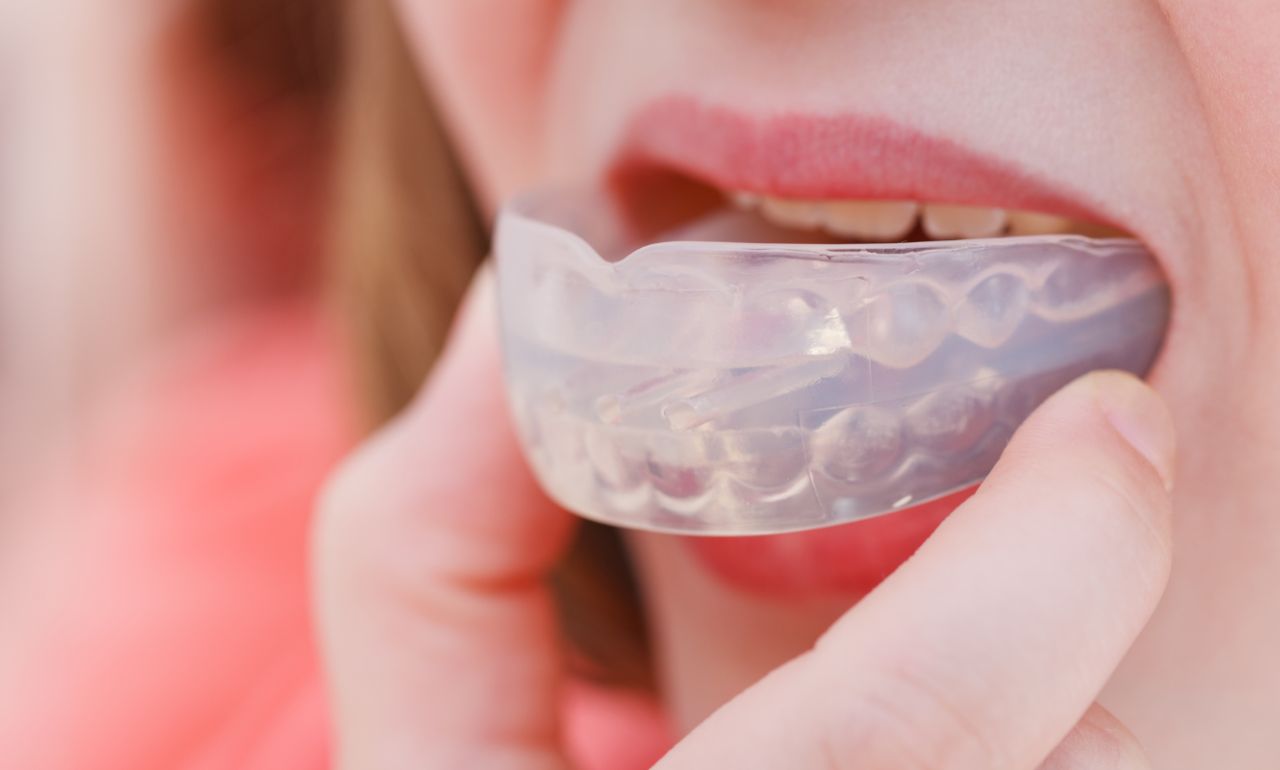
- Always wear a properly fitted mouthguard during contact sports
- Replace mouthguards regularly as they wear out
- Consider custom-made guards for better protection and comfort
At Home:
- Use proper safety equipment during DIY projects
- Keep walkways clear of obstacles
- Install adequate lighting in stairs and hallways
- Use non-slip mats in bathrooms
For Children:
- Supervise playground activities
- Ensure car seats and seatbelts are properly fitted
- Teach children about bicycle safety and helmet use
When Emergency Treatment Isn’t Enough
Sometimes, despite best efforts, a knocked out tooth can’t be saved. Modern dentistry offers excellent replacement options:
- Dental implants: The closest thing to natural teeth in terms of function and appearance
- Bridges: Connect to adjacent teeth for support
- Partial dentures: Removable options for some situations
At Sunbury Dentist, we work with you to find the best solution for your specific needs and circumstances.
The Bottom Line
A knocked out tooth emergency requires immediate action, with the first 30 minutes being crucial for successful reimplantation. Proper handling of the tooth, appropriate storage methods, and quick professional intervention significantly improve outcomes. While prevention through mouthguards and safety measures is ideal, knowing how to respond effectively in an emergency can save your natural tooth. Every minute counts, so acting quickly and calmly makes all the difference in preserving your smile.
Don’t Wait in a Dental Emergency
Dental emergencies don’t follow business hours, and when a tooth gets knocked out, immediate action is essential. If you or a family member experiences a knocked out tooth emergency, don’t hesitate to seek professional help right away.
At Sunbury Dentist, we provide same-day emergency dental care for patients throughout Sunbury, Gisborne, Diggers Rest, and surrounding areas. Our experienced team is equipped to handle urgent situations and give your tooth the best chance of successful reimplantation.
Call Sunbury Dentist on 03 8820 1551 immediately for emergency assistance. Time is critical, and we’re here to help guide you through every step of managing your dental emergency.
Frequently Asked Questions
Can a knocked out tooth be saved if it’s been out for several hours?
While the success rate drops significantly after 2 hours, it’s still worth seeking professional evaluation. In some cases, even if reimplantation isn’t possible, the tooth structure might be useful for other treatment options.
Should I take pain medication before coming to the dentist?
You can take over-the-counter pain relief as directed on the package, but inform your dentist what you’ve taken. Avoid aspirin if there’s active bleeding, as it can increase bleeding time.
What if part of the tooth broke off when it was knocked out?
Collect any tooth fragments you can find and bring them with you. Sometimes these pieces can be bonded back together, and they help your dentist assess the extent of the injury for treatment planning.