Over 1000 5 Star Ratings on Google Reviews


Toothaches have a way of showing up at the worst times. Whether it’s a dull ache that lingers or a sharp jolt that keeps you up at night, one thing’s certain: it needs attention. And when your dentist mentions either a root canal or a tooth extraction, you’re probably thinking, “Can’t you just fix it and be done with it?”
We get it. At Sunbury Dentist, we see patients from Sunbury, Gisborne, Diggers Rest and surrounding areas who are unsure about what to do when a tooth goes bad. Should you save it or take it out? Is one option faster? Cheaper? Less painful?
This guide will walk you through everything you need to know about root canal vs tooth extraction; what each involves, when each is necessary, and how we help you make the right call for your long-term oral health.
What’s the Difference Between Root Canal and Extraction?
Let’s keep this simple.
- Root canal treatment involves cleaning out the infected or inflamed tissue inside the tooth (known as pulp), disinfecting it, and sealing it. Usually, we’ll place a dental crown on top to protect and strengthen it.
- Tooth extraction means removing the entire tooth from its socket. If it’s a back tooth, it might not affect your appearance too much. But if it’s a visible tooth (or any tooth that affects how you chew) you’ll likely need a replacement like a dental implant, bridge or denture.
Both treatments are effective in resolving pain or infection. But their long-term outcomes are quite different, and the best choice often depends on the condition of the tooth and your goals.
Root Canal: The Tooth Saver
We’ll almost always try to save your natural tooth if it’s still structurally sound—and root canal therapy is our go-to option when the tooth can be restored.
So, when is root canal the right move?
- There’s a deep cavity, but most of the tooth is still intact.
- You’ve got a dental abscess (a pocket of pus) but no significant bone loss.
- The tooth is cracked, but the crack hasn’t extended below the gum line.
- There’s pain or lingering sensitivity to heat, cold, or pressure, and imaging confirms infected pulp.
- You’re in good general health, and preserving your bite and jawbone is important to you.
You might be surprised to hear that root canal treatment isn’t as scary or painful as many people think. With today’s technology, including digital scans and precision tools, the experience is more like getting a deep filling.
At Sunbury Dentist, we combine root canal therapy with custom porcelain crowns to restore both function and appearance. The result? A tooth that works like it should, blends into your smile, and doesn’t need to be replaced down the line.
Tooth Extraction: When It’s Time to Say Goodbye
Sometimes, despite our best efforts, a tooth just can’t be saved. In these cases, removing it is the safest and healthiest option.
Extraction may be recommended if:
- The tooth is cracked vertically or split in half
- There’s extensive decay that’s compromised the root or surrounding bone
- You have advanced gum disease and bone support is too weak
- The tooth has failed a previous root canal and retreatment isn’t feasible
- You’re undergoing orthodontic treatment and crowding needs to be addressed
- The infection has spread, and keeping the tooth poses a risk
Tooth extraction can often be done in a single appointment. And while some people are happy to leave a back tooth missing, many prefer to restore it, especially if the gap affects chewing or shows when they smile.
We offer dental implants, bridges, and dentures to suit different needs. Our team will walk you through your options and help you decide if, when, and how the gap should be replaced.
Making the Right Call: What We Consider
There’s no one-size-fits-all answer when it comes to root canal vs tooth extraction. Every mouth is different. At Sunbury Dentist, we consider multiple factors during your consultation:
1. How Healthy Is the Tooth?
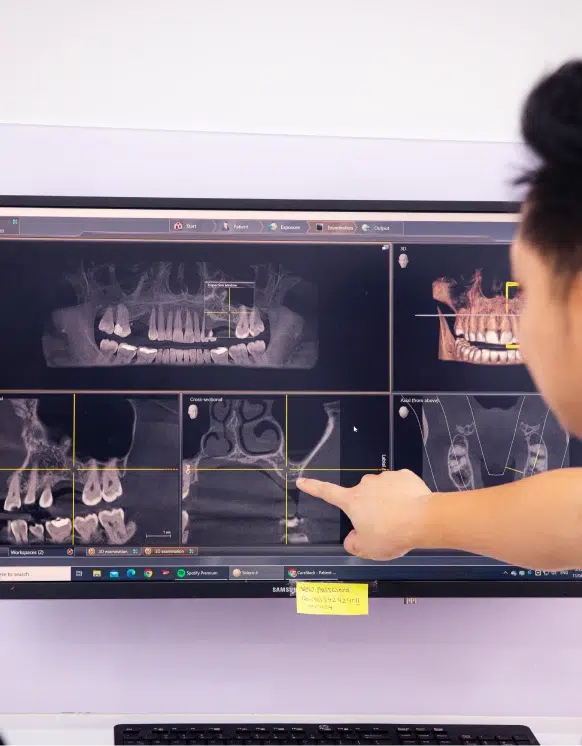
We use digital X-rays and 3D scans to assess the extent of decay, cracks, and infection. If there’s enough structure left, root canal is usually on the table.
2. Where Is the Tooth Located?
Front teeth often have simpler root systems and can be treated more easily. Molars, on the other hand, may need specialist intervention due to multiple roots.
3. Your Bite and Jaw Health
Removing a tooth without replacing it can lead to shifting teeth and bone loss. Keeping your natural tooth can help preserve your bite, facial structure, and chewing function.
4. Your Preferences and Lifestyle
Some patients prefer the idea of a one-time extraction and replacement. Others want to avoid implants or dentures if possible. We’ll talk through what matters to you.
5. Treatment Time and Cost
A root canal typically takes two visits—one for the cleaning, one for the crown. Extractions can be quicker, but if you’re replacing the tooth, the full timeline may be longer.
Why Patients Choose Sunbury Dentist
Whether it’s a root canal, extraction, or full smile restoration, we’re here to guide you without pressure. Patients choose us because we:
- Offer comprehensive assessments with clear explanations (no confusion, no rush)
- Use modern technology for faster, more comfortable treatment
- Focus on minimally invasive care whenever possible
- Provide a premium experience that feels personalised, from start to finish
We understand that big dental decisions can feel overwhelming. That’s why we take time to explain your options in plain English, backed by visual scans and digital imagery so you can actually see what’s going on.
And if you need a replacement option, we’ll help you explore dental implants, bridges, or implant-retained dentures, depending on what’s right for your health and budget.
Not Treating It? Here’s What Can Happen
Still thinking about holding off? Here’s why that’s not a good idea.
- The infection can spread to surrounding tissue or bone
- You might develop swelling or an abscess
- Neighbouring teeth may be affected
- The pain is likely to get worse, not better
According to recent Australian oral health data, nearly 1 in 3 adults aged 15+ has untreated tooth decay, which can escalate into more serious (and expensive) issues without timely care.
Your Comfort Matters to Us
We know root canals and extractions sound intimidating—but the truth is, most patients are surprised by how smooth the process is. We offer:
- Local anaesthetic
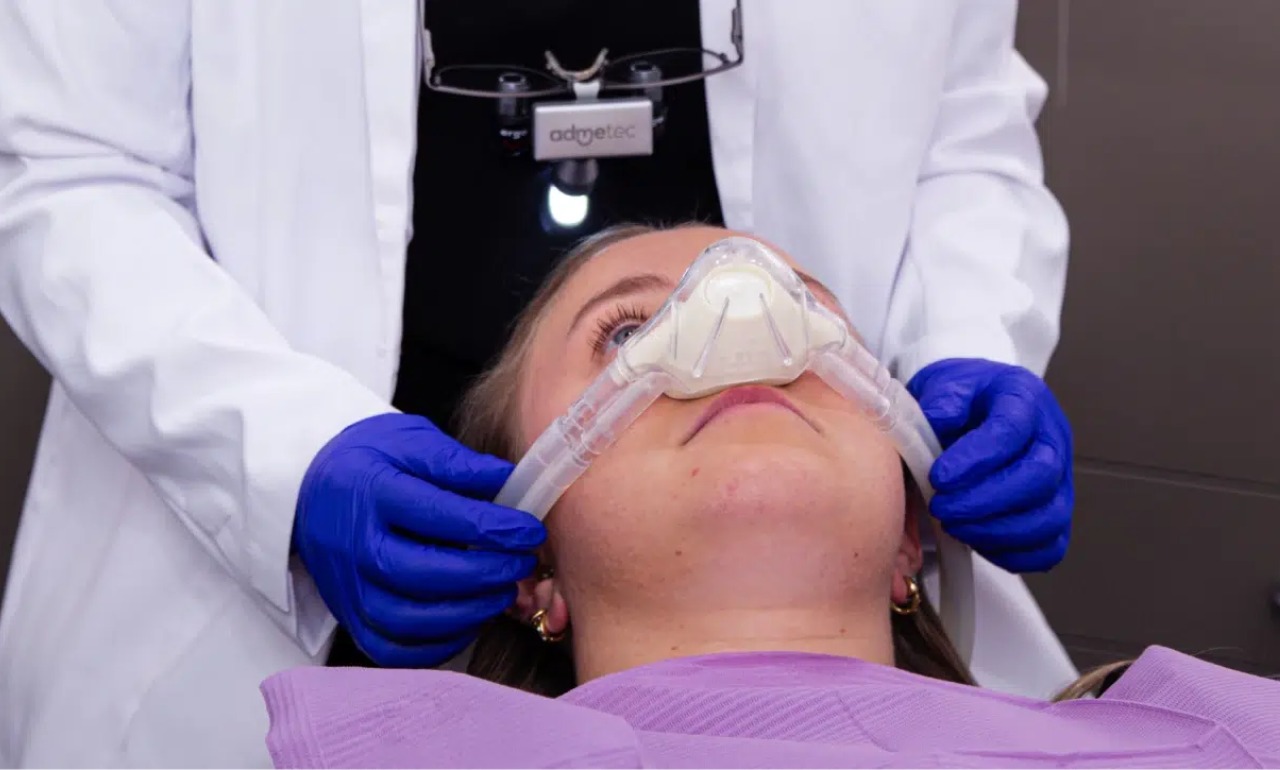
- Happy gas (nitrous oxide)
- IV sedation for more complex cases or nervous patients
You’ll be supported by a warm, experienced team every step of the way. From managing discomfort to checking in after your visit, we’re committed to your comfort, not just your care.
The Takeaway
- Root canal treatment is best when the tooth can be saved and restored.
- Extraction is the better option when there’s too much damage or infection.
- Every case is different, and the right answer depends on your individual situation.
- The key is early assessment, before the problem gets worse or more complex.
- At Sunbury Dentist, we combine expert care, advanced technology, and a supportive environment to help you make the right choice for your smile.
Speak With Us Before You Decide
Tooth pain isn’t something to ignore or “wait and see.” The earlier we catch it, the more options you’ll have. Whether it’s a root canal, extraction, or something else entirely.
Call Sunbury Dentist on 03 8820 1551 or fill out the enquiry form to book a consultation. Let’s get to the root of the problem and plan the next best step together.
Frequently Asked Questions
Is a root canal more painful than a tooth extraction?
Thanks to local anaesthetic and sedation options, both treatments are generally pain-free. Most patients say they feel mild soreness afterwards, which can be managed with over-the-counter medication.
How long will a root canal or extraction take?
A root canal usually takes two visits: one for the cleaning, one for the crown. Extractions can often be completed in a single visit, unless replacement options like implants are being planned.
What happens if I don’t replace a missing tooth?
Leaving a gap can cause nearby teeth to shift, change your bite, and even affect your facial structure over time. We’ll discuss whether an implant, bridge, or denture is the best way to restore function.