Over 1000 5 Star Ratings on Google Reviews

Can Professional Teeth Whitening Address Discoloured Teeth in Sunbury?
Case Note ID: Dec-2024-ZW-SD1
Location: Sunbury Dentist (serving the Sunbury, Victoria and surrounding areas)
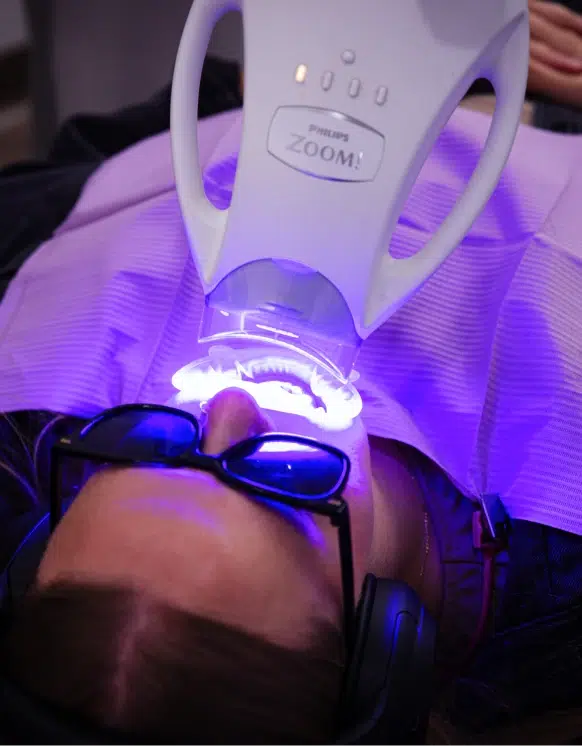
Primary Treatments: Zoom in-chair professional teeth whitening
Supporting Technology: Professional whitening system with controlled peroxide concentration
Presenting Clinical Problem
- Generalised tooth discolouration affecting aesthetic appearance
- Variation in tooth shade creating uneven appearance
- Patient concerns regarding professional appearance in client-facing role
- Assessment indicated suitability for professional whitening approach
- Primary objective: Improve tooth colour whilst minimising invasive intervention
Treatment Plan & Clinical Process
Phase 1: Assessment and Suitability Evaluation
- Comprehensive examination to identify contraindications
- Baseline shade assessment and photographic documentation
- Evaluation of existing restorations and their response to whitening
- Discussion of realistic outcomes and potential sensitivity
- Medical history review for whitening contraindications
Phase 2: In-Chair Whitening Procedure
- Soft tissue protection using barrier materials
- Zoom whitening gel applied according to manufacturer protocols
- Multiple application cycles with controlled exposure times
- Post-treatment sensitivity management protocols implemented
- Immediate post-whitening shade assessment
Phase 3: Post-Treatment Review
- Assessment of colour change achieved
- Evaluation of any adverse reactions
- Discussion of maintenance and longevity expectations
- Instructions for managing potential sensitivity
Frequently Asked Questions for Sunbury Patients
How long does teeth whitening sensitivity last?
Post-whitening sensitivity varies considerably between individuals. Most patients experience mild sensitivity for 24-48 hours, though some may have discomfort lasting up to one week. Desensitising agents and modified oral hygiene techniques can help manage symptoms. A small percentage of patients experience persistent sensitivity requiring professional intervention.
Will whitening work on all types of tooth discolouration?
Whitening effectiveness depends on the cause of discolouration. Yellow-toned staining typically responds better than grey or brown discolouration. Tetracycline staining, fluorosis and intrinsic discolouration may show limited improvement. Existing restorations, crowns and veneers do not change colour with whitening treatments.
What factors affect how long whitening results last?
Result longevity varies based on consumption of staining substances (coffee, tea, red wine, curry), tobacco use, oral hygiene practices and natural tooth characteristics. Regular professional maintenance and at-home touch-up treatments may extend results. Some degree of colour relapse is expected in all cases.
Clinical Outcome
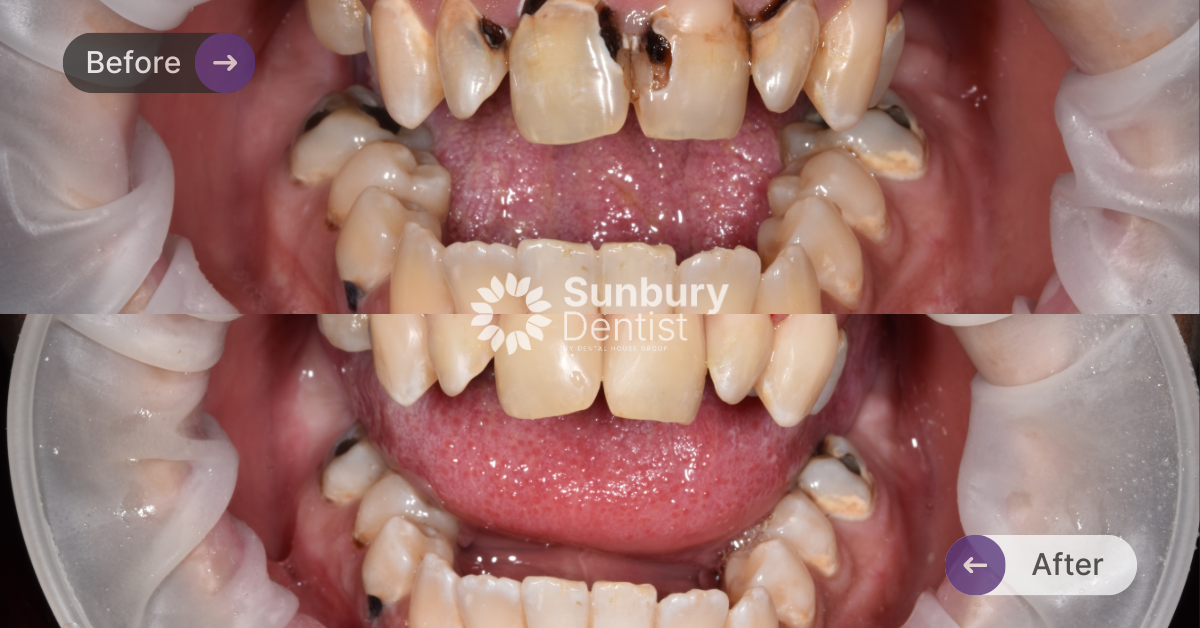
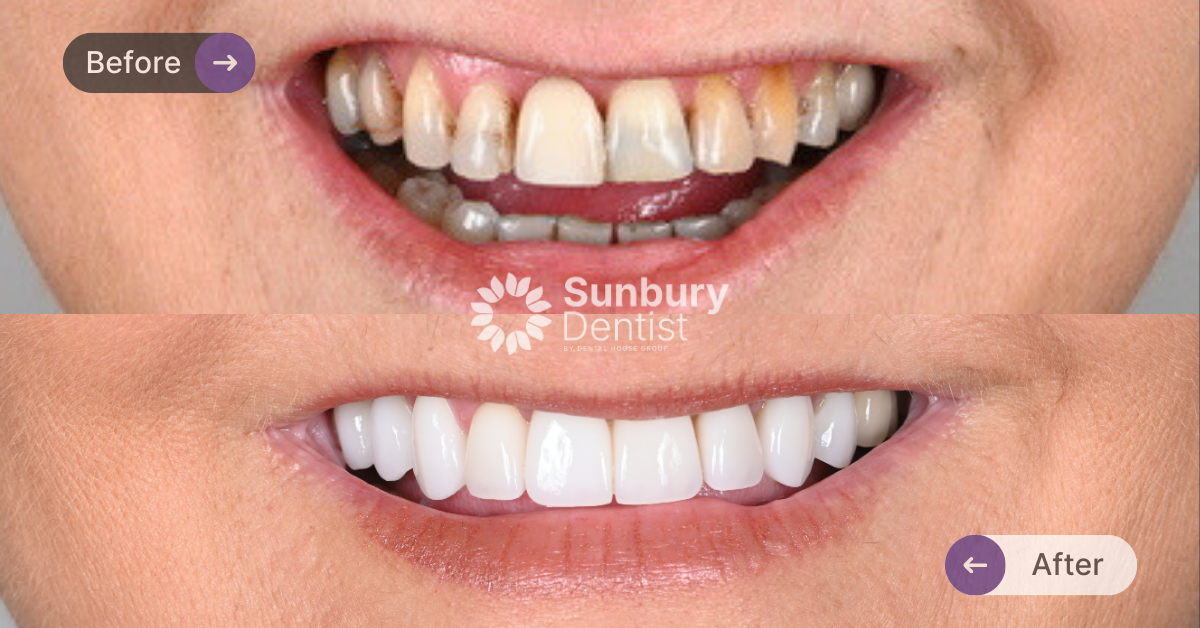
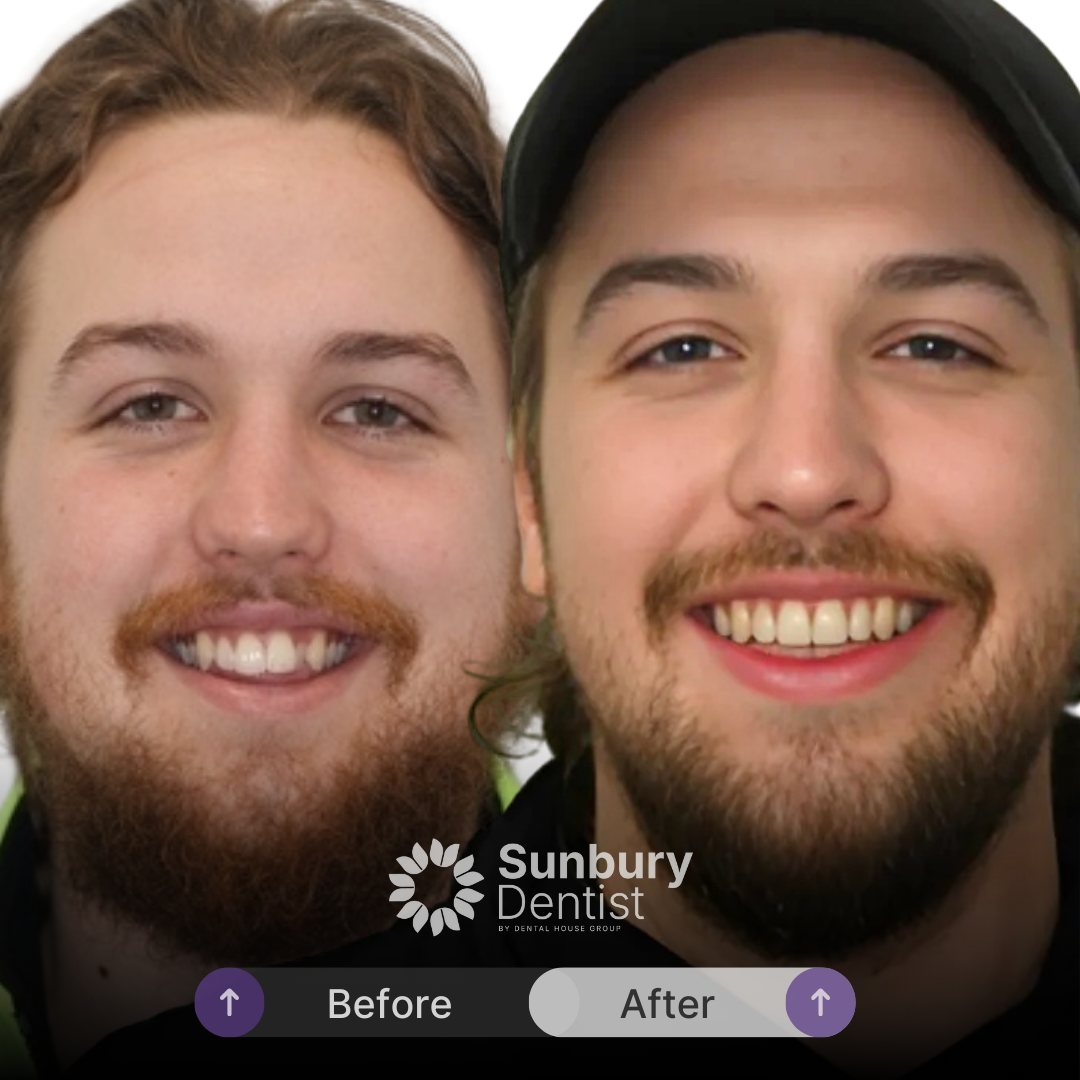
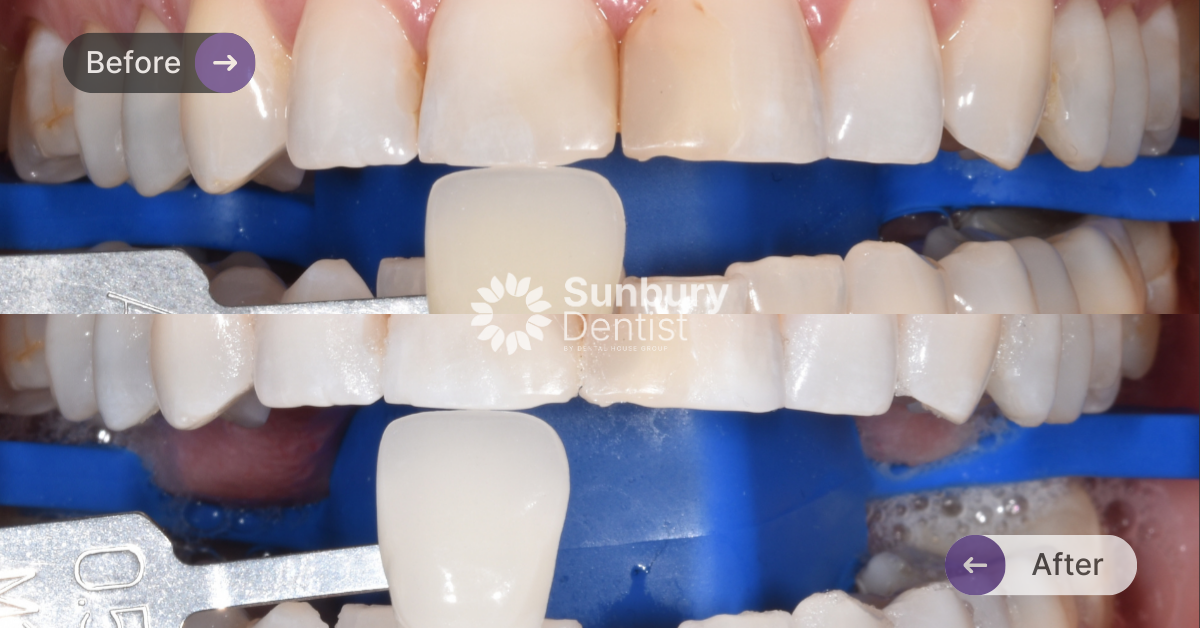
The in-chair whitening procedure was completed in a single extended appointment. Immediate lightening of tooth shade was observed following the treatment protocol, with the degree of colour change documented through comparative photography.
Individual responses to teeth whitening vary significantly. Treatment outcomes cannot be guaranteed. Professional whitening may cause temporary tooth sensitivity or soft tissue irritation. Results typically fade over time, with longevity ranging from several months to 2-3 years depending on dietary habits, oral hygiene and tobacco use. Existing restorations do not change colour and may require replacement to match newly whitened teeth.
Looking for a Smile Transformation?
If you or someone you love is looking for a smile makeover, we’re here to help! Call us at 03 8820 1551 or fill out the enquiry form below to start your journey toward a confident, radiant smile.
DISCLAIMER: The material posted is for informational purposes only and is not intended to substitute for professional medical advice, diagnosis or treatment. Results vary with each patient. Any dental procedure carries risks and benefits. If you have any specific questions about any dental and/or medical matter, you should consult your dentist, physician or other professional healthcare providers.